
Are Solar Panels Worth It in Edmonton? A 2026 Cost & Savings Guide
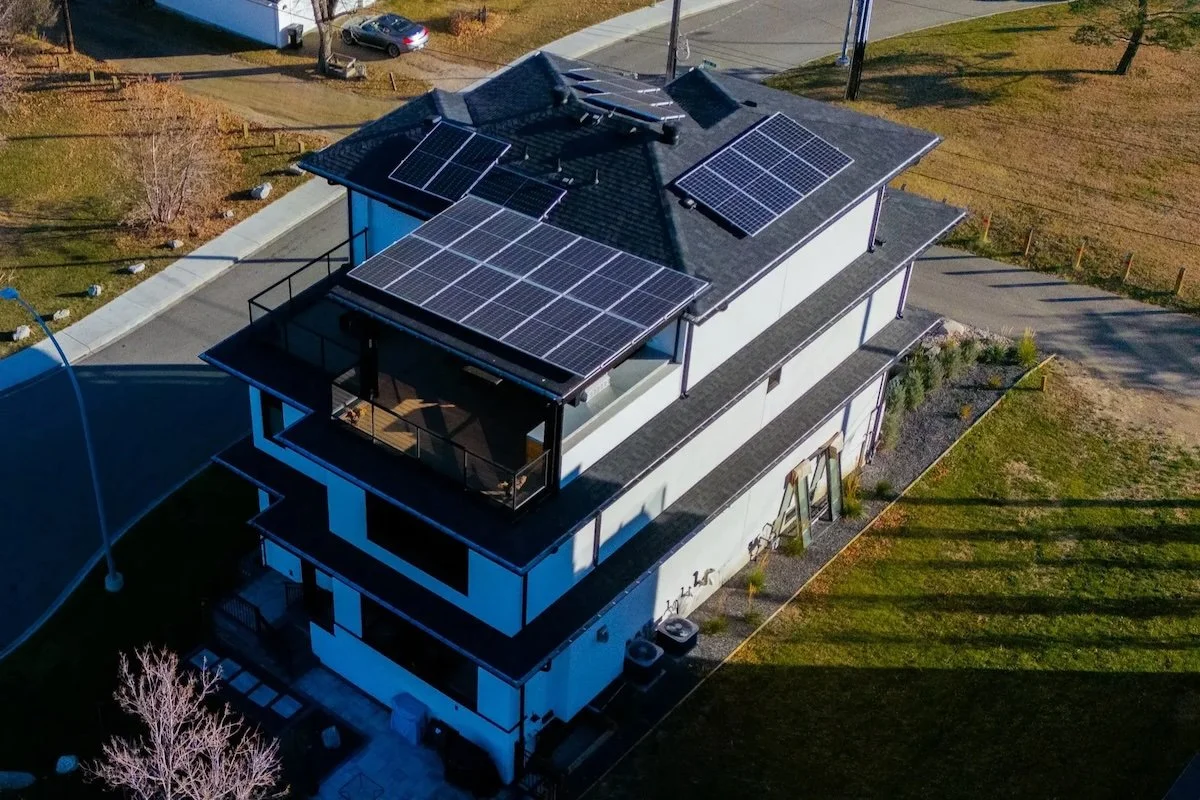
By now, most people understand that solar does work in Edmonton. The real question is whether the numbers make sense…
In 2026, the answer is often yes! Especially for homeowners with the following:
Good roof exposure
Moderate to high electricity use
Plans to stay in your home for long enough to benefit from long-term savings
The right sized residential solar system can reduce your electricity bills and protect you against rising utility rates. It’s one of the best ways to add value to the home over time.
All this being said, the solar panels Edmonton homeowners install are not one-size-fits-all. Your return is going to depend on a number of things; system size, roof angle, shading, electricity usage, financing, and available incentives, to name a few.
Let’s clear the air. Here’s the scoop on Edmonton solar costs, savings, incentives, and payback periods in 2026.
The Edmonton Solar Advantage: Sun and Snow
Many people think that cold weather makes solar panels ineffective. In reality, though, Edmonton’s climate, despite our long winter, is better suited to solar than most people expect.
Did you know? Edmonton receives about 2,300 hours of sun in an average year—this makes it one of Canada’s sunniest cities!
Cold weather is not the problem many people assume it is. Solar panels use sunlight, not heat, to generate electricity. Actually, modern panels can operate more efficiently in cooler temperatures because excess heat can reduce electrical performance.
Our climate has another benefit: long summer days. In June, daylight can stretch up to approximately 17 hours in Edmonton (which helps offset the shorter winter production periods). Annual Edmonton solar production is estimated to be about 1,200-1,350 kWh per kW installed. Spring and summer are our peak output months!
Snow is one thing that can temporarily reduce the output of panels (if they’re fully covered, for example). Thankfully, this is usually only a seasonal inconvenience as opposed to an all-out dealbreaker. It’s common to install panels at an angle to help the snow slide off. Interestingly enough, sunlight reflecting off the snow can actually support production if the panels are clear!
So, does Edmonton’s cold climate disqualify solar? The answer is no. Our sunshine, long summer days, and cool temperatures actually make solar a very practical option for Edmontonians.
Breaking Down the Costs for 2026
Residential solar installation costs in Edmonton typically range from $2.80 to $3.40 per watt installed. This equates to a standard 10 kW system usually costing around $28,000 to $34,000 before incentives.
A simple cost breakdown looks like this:
5 kW system: approximately $14,000–$17,000
7 kW system: approximately $19,600–$23,800
10 kW system: approximately $28,000–$34,000
12 kW system: approximately $33,600–$40,800
A smaller 5 kW system may cover a meaningful portion of electricity needs for a lower-usage home, while a 10 kW system may be better suited for a larger household, an electric vehicle, air conditioning, or future electrification plans. The right system size depends on how much electricity your household uses.
While a larger system usually costs more upfront, it may have a lower cost per watt because of fixed expenses like permitting, design, labour, and electrical setup because spread across more panels.
Cost can also vary based on:
Roof pitch and orientation
Shading from trees or neighbouring buildings
Electrical panel upgrades
Panel and inverter quality
Installation complexity
Whether battery storage is included
For most Edmontonians, the best financial outcome will come from sizing the system close to the home’s annual electricity usage rather than simply installing the largest possible system.
Current Alberta Incentives and Rebates
Solar incentives have changed a lot over the last few years. Here’s the most up to date info for 2026.
First, the Canada Greener Homes Grant is closed as of March 2024. It is no longer available to Edmonton homeowners. The Canada Greener Home Loan also closed in October 2025.
Don’t worry, though. There are still several financial advantages for Edmonton homeowners.
No Provincial Sales Tax
Everyone in Alberta has a built-in tax advantage because homeowners only pay the 5% GST on solar installs; no provincial sales tax! This is a huge benefit when compared to provinces that have combined tax rates of 12-15%. You’re looking at an approximate total project cost savings of 7-10% just off of that alone.
Clean Energy Improvement Program (CEIP)
The Clean Energy Improvement Program, or CEIP, is currently open in Edmonton! The city describes CEIP as “a financing tool that helps property owners cover the upfront cost of energy efficiency and renewable energy upgrades.” You can apply now, applications are open, and the program can finance up to 100% of eligible upgrades (repayment through your property tax bill).
For residential property owners and multi-unit residential building owners, the city’s CEIP financing can range from $3,000 to $50,000. The City lists the current tranche interest rate at 6.00%, with long-term repayment options available.
The major benefit is cash flow.
CEIP can make solar more accessible for homeowners who want to avoid a large upfront payment. It does not make the system free, but it can help offset repayment costs through energy savings.
Net Metering Credits
Alberta has what’s called a micro-generation framework, which allows homeowners to export excess solar electricity back to the grid, receiving credits in return! This is especially valuable for Edmontonians, because we tend to see high summer solar production and lower winter solar production.
Under Alberta’s micro-generation framework, exported solar electricity is generally credited at the same retail energy rate you pay when buying power from the grid.
Many Alberta solar homeowners also join a Solar Club, which lets them switch between a higher summer rate, when their system is producing excess power, and a lower winter rate, when they are importing more electricity. This can help build up stronger summer bill credits to offset winter electricity costs and other bill charges.
ROI and Payback Period: Is It Worth It?
For many homeowners across the city, we tend to see a payback period of about 8-12 years. This means it may take 8-12 years for your electricity savings and credits to recover the upfront system cost. After that, though, the system can continue to produce electricity for many more years! Solar panels often have a lifespan of 25-30+ years.
The exact ROI will depend heavily on electricity prices, but here’s a simplified example:
System size: 10 kW
Estimated upfront cost: $28,000–$34,000
Estimated annual production: roughly 12,000–13,500+ kWh
Typical payback period: 8–12 years
Potential long-term savings: strongest over a 20–25 year ownership window
Resale Value
Solar can also increase resale value. Homes with solar tend to see an average home value increase of 3–4%.
That does not mean every homeowner should install solar immediately. It starts to make sense, though, if you have one or multiple of the following:
Your roof gets strong sun exposure
You have limited shading
Your electricity usage is moderate to high
You plan to stay in the home for several years
You want protection against future electricity rate increases
You can use CEIP or other financing without harming cash flow
If your roof needs to be replaced, your home is heavily shaded, your electricity use is very low, or you plan to sell before reaching the payback period, solar may not be the right option at this time.
So, Are Solar Panels Worth It in Edmonton?
For many Edmonton homeowners in 2026, solar panels are worth considering.
Interestingly enough, we have weather on our side: long summer days and plenty of year-round sunshine, plus cool temperatures which can actually make solar panels work more efficiently. While installation can be expensive, long-term property owners can expect an average payback period of only 8-12 years.
Incentives have changed. The Canada Greener Homes Grant is closed, but the CEIP is active. Alberta’s no-PST advantage still lowers project costs, and net metering credits continue to support long-term savings.
The best next step is to get a home-specific assessment.
Ready to find out exactly how much you could save? Contact Soltek today for a free, customized solar assessment for your Edmonton home.